Juno Beach And The Canadian Sector: What To See
The Canadian sector sits between the British and American beaches, anchored by the Juno Beach Centre in Courseulles-sur-Mer and a string of memorials and cemeteries that most Paris day trips never reach.
Short answer
Juno Beach sits at Courseulles-sur-Mer, about 20 minutes northwest of Caen, and its anchor site is the Juno Beach Centre, open with an adult museum ticket of 9 euros and closed all January and 25 December. Guided options run from a 4-hour bike tour based in Courseulles to a 13-hour small-group minibus day from Paris, from $270 per person.
The Canadian sector of the Normandy landing beaches is the part most travelers hear about last and remember longest. On 6 June 1944, about 160,000 Allied troops came ashore across five beaches, including about 73,000 Americans, and the Canadian 3rd Division took its objective on the sand running east from Courseulles-sur-Mer. Today the sector is quiet, residential and low on crowds compared with Omaha, which is exactly why the right plan matters: the sites are spread out, and only a handful of listings actually cover them. If you're deciding which stretch of sand deserves most of your day, the guide comparing all five D-Day landing beaches weighs the scenery, museums and crowds side by side.
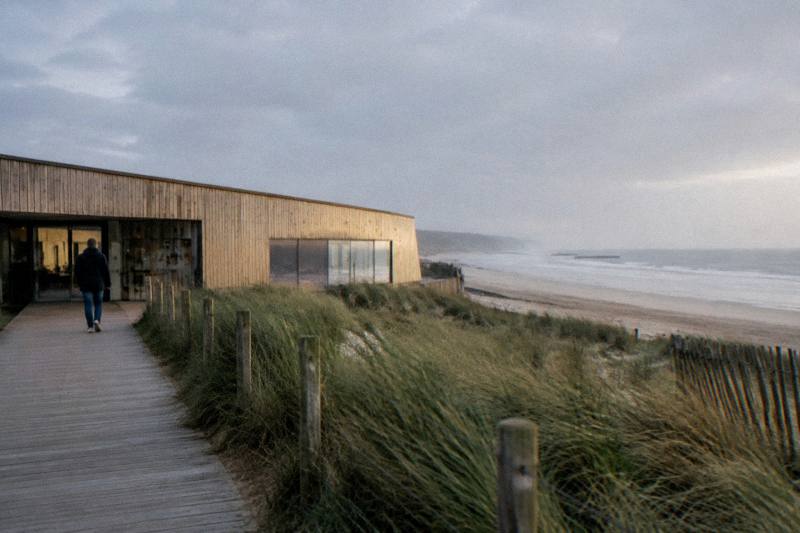
The anchor is the Juno Beach Centre, a Canadian museum built directly on the dune line at Courseulles-sur-Mer. Around it sit the Bény-sur-Mer Canadian War Cemetery, the British Normandy Memorial at Ver-sur-Mer, the Arromanches Mulberry harbor remains and, farther east, Sword Beach and Pegasus Bridge. A visit can run from a two-hour museum stop to a full ten-hour small-group loop out of Caen, depending on how much of the coast you want.
Where Exactly Is Juno Beach And What Remains There?
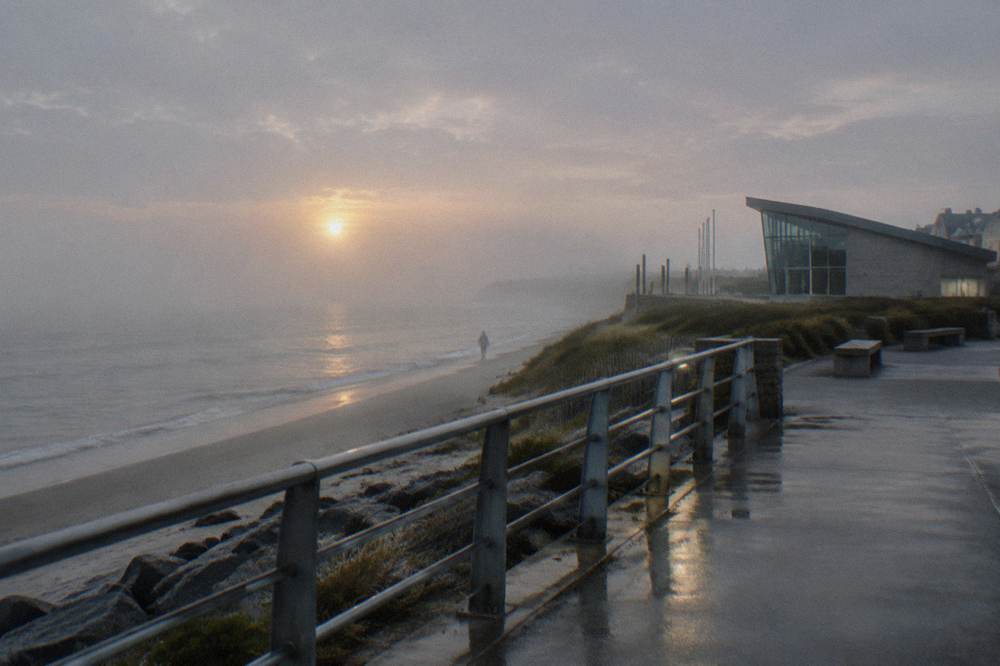
Juno Beach is the stretch of sand and dune fronting Courseulles-sur-Mer and Bernières-sur-Mer, roughly 20 minutes by road northwest of Caen, between the British Gold Beach sector to the west and Sword Beach to the east. What remains today is a working seaside town: public sand, a seafront promenade, and concrete wartime structures that the Juno Beach Centre interprets for visitors.
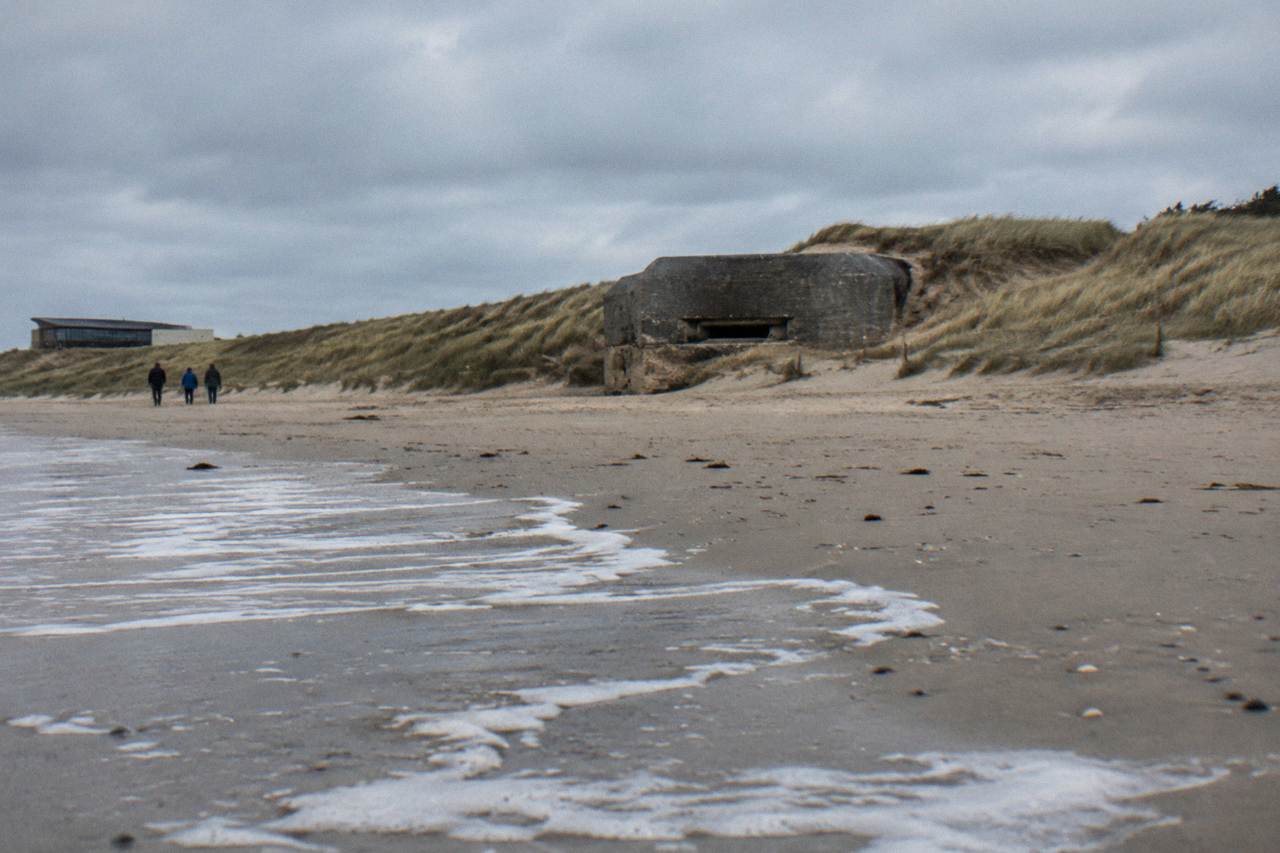
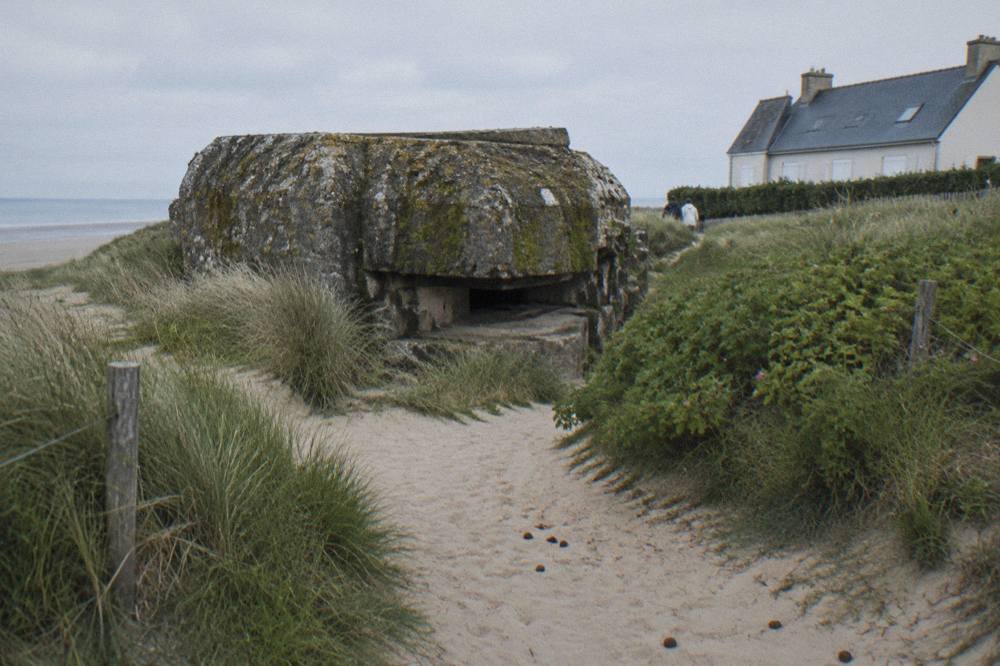
Unlike Omaha, where the American cemetery dominates the bluff, Juno reads as a neighborhood beach that happens to carry history. Remnants of the Atlantic Wall sit steps from vacation homes, and the museum occupies the site where Canadian units came ashore. The beach itself is public and free to walk at any hour, and the seafront at Courseulles is flat, wide and easy to cover on foot.
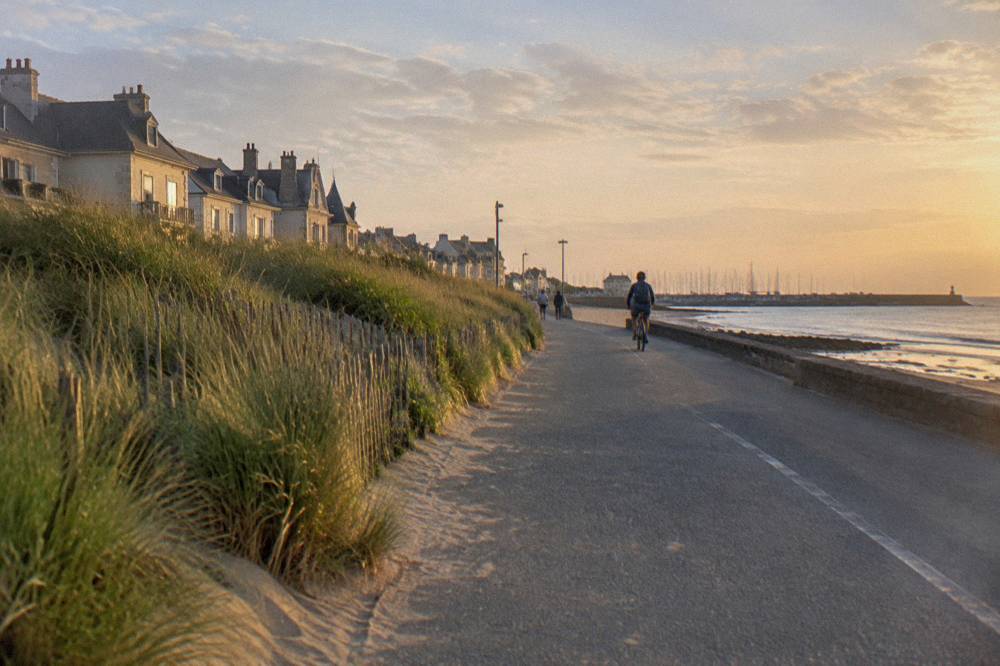
The town makes a genuine base as well as a stop. Courseulles-sur-Mer has a small harbor, a market and enough cafés that a half-day here does not feel rushed, and the guided bike tour below starts from a hotel-restaurant on the seafront avenue. For help deciding whether to sleep in this corner of the coast or closer to the American beaches, the piece on Caen versus Bayeux as a base works through the trade-offs.
What Does The Juno Beach Centre Cover And What Does A Ticket Cost?
The Juno Beach Centre is a Canadian museum and cultural center on the beach at Courseulles-sur-Mer, with an adult museum ticket of 9 euros. It closes for the entire month of January and on 25 December, ticket sales end 45 minutes before closing, and a guided bunkers add-on tour is offered from April through October.
The museum tells the Canadian story of the war and of 6 June in particular, and its strongest feature is that it stands on the ground it describes: the guided add-on takes visitors out to the preserved German bunker complex behind the dune, the only way to enter those structures. Hours shift by season, running 9:30 a.m. to 7 p.m. from May to August, 9:30 a.m. to 6 p.m. in spring and early autumn shoulder months, and 10 a.m. to 5 p.m. in the November to December window, per the center's own practical-information page. The official details are on the Juno Beach Centre practical information page.
For scale and loss, the center puts the Canadian toll on the Juno sector that day at 340 soldiers killed, with hundreds more wounded or captured; the center publishes the numbers at its Canada on D-Day by the numbers page. Treat the visit as a half-day commitment at most, longer with the bunker add-on. The center is the reason to come to Courseulles rather than drive past it.
| Period | Opening hours | Adult admission | Notes |
|---|---|---|---|
| May to August | 9:30 a.m. to 7 p.m. | 9 euros | Peak season, bunkers add-on offered |
| March-April and September-October | 9:30 a.m. to 6 p.m. | 9 euros | Bunkers add-on offered |
| February, November-December | 10 a.m. to 5 p.m. | 9 euros | Reduced rate 7 euros, low-carbon rate 6 euros |
| January | Closed | n/a | Closed all month |
| 25 December | Closed | n/a | Annual closure |
Which Tours Actually Cover The Canadian Sector?
Only a small number of listings reach the Canadian sector, and most start in Paris or Caen rather than Bayeux. The clearest options are the 13-hour small-group Juno Beach minibus day from Paris at from $270 per person, a 10-hour Gold, Juno and Omaha small-group van tour from the Caen Memorial at from $275 per person, and a 4-hour guided bike tour along the coast from Courseulles at from $247 per person.
The Paris option is the most direct: a small-group minibus capped at 8 passengers, departing from a meeting point on Avenue des Ternes in the 17th arrondissement, rated 4.9 from 197 reviews, with entrance fees and food listed as included. It exists precisely because the big coach days from Paris concentrate on the American sector; a reader planning around Utah and Omaha should read the Paris day trip comparison to see how the timetables differ.
Out of Caen, the picture changes. The Gold, Juno and Omaha guided small group tour runs about 10 hours in a 7-seat van with a certified Memorial de Caen guide, departing from the Caen Memorial esplanade, and its listed stops include Arromanches, the British Normandy Memorial, the Ardenne Canadian War Memorial, Pointe du Hoc and the Normandy American Cemetery. It costs from $275 per person for the full 10 hours, but the itinerary is one of the few that bridges the Commonwealth and American sectors in one day, with lunch at the Memorial bistro listed as included. It pairs naturally with the Gold Beach and Arromanches guide.
A tighter Caen option is From Gold Beach to Caen, On the Path to Liberation, a 4-hour van tour for up to 7 that covers Arromanches, the British Normandy Memorial and the Bény-sur-Mer Canadian War Cemetery with a certified guide, from $169 per person, with a Memorial de Caen entrance ticket included that can be used on another day. Its 4.7 rating rests on 11 reviews, so weigh the itinerary as much as the score.
Can You See Juno And Gold Beach By Bike From Courseulles?
Yes, and the bike format suits this coast better than almost anywhere else in Normandy. A 4-hour guided ride from Courseulles-sur-Mer, from $247 per person, links the Juno Beach Centre, the Arromanches 360 circular cinema, the remains of the artificial Mulberry port, a historic windmill and the British Normandy Memorial, with a bicycle, helmet, one snack and a drink included.
The listing is new and carries no reviews yet, so there is no rating to report; what recommends it is geography. The sector's sites sit on flat coastal lanes within a few miles of each other, and a bicycle moves between them at the pace the ground deserves. Riders meet at a hotel-restaurant on the seafront avenue in Courseulles, choose a regular or electric bike, and roll west toward Arromanches with a qualified guide. Check the listing for the current schedule before booking, since a new product's departure days can still shift.
| Tour | Base | Length | Price basis | Canadian sector stops listed |
|---|---|---|---|---|
| Small-Group Canadian Juno Beach day | Paris, Avenue des Ternes | 13 hours | from $270 per person | Juno Beach sector and Canadian landing sites, stops not itemized on the listing |
| Gold, Juno and Omaha small group | Caen Memorial | 10 hours | from $275 per person | Ardenne Canadian War Memorial, with Gold Beach stops at Arromanches and the British Normandy Memorial |
| Gold Beach to Caen, Path to Liberation | Caen Memorial | 4 hours | from $169 per person | Bény-sur-Mer Canadian War Cemetery, British Normandy Memorial |
| Juno and Gold guided bike tour | Courseulles-sur-Mer | 4 hours | from $247 per person | Juno Beach Centre, Arromanches 360, Mulberry port remains |
The comparison shows the real choice: depth versus breadth. The bike tour and the 4-hour van tour both spend their whole time inside the Commonwealth sector, while the 10-hour loop trades depth for Pointe du Hoc and the American cemetery in the same day.
How Do You Reach The Juno Beach Centre From Paris Or Caen?
There is no direct train to Courseulles-sur-Mer. From Paris, the practical route is the train from Saint-Lazare to Caen, about 2 hours with roughly 19 departures a day and fares that start low, then a local bus or taxi of roughly half an hour to the coast; the 13-hour Paris minibus tour exists precisely to skip that connection, and cruise passengers should match their port to the right excursion.
Caen is the rail gateway for this sector the way Bayeux is for the American beaches. Travelers arriving by sea have a different decision: the Normandy cruise shore excursion guide maps which landings work from Le Havre versus Cherbourg, and the Cherbourg side sits 1 to 1.5 hours by road from the Utah and Sainte-Mere-Eglise area rather than Juno.
| Route | Mode | Typical time | Fare or price basis |
|---|---|---|---|
| Paris Saint-Lazare to Caen | SNCF train | about 2 hours | from about 17 euros |
| Caen to Courseulles-sur-Mer | Local bus or taxi | about 20 to 30 minutes | check the operator locally |
| Paris to Juno sector, guided | Minibus day tour | 13 hours round trip | from $270 per person |
| Le Havre or Cherbourg port to Juno sector | Shore excursion or transfer | varies by port | see the shore excursion listings |
For a group that wants the sector on a private basis, the British Sector D-Day Discovery Tour runs 9 hours by car for up to 4 people from $955 per group, with pickup in Caen listed, food and drinks included, and stops at Sword Beach, Juno Beach, Gold Beach, the British Normandy Memorial, Pegasus Bridge, Café Gondrée and the Merville Battery. With only 2 reviews, it has no rating worth citing, but the per-group pricing changes the math for families.
When Is The Best Time To Visit The Juno Sector?
May through early October is the comfortable window, because the Juno Beach Centre runs its longest hours then and the bunkers add-on tour only operates from April to October. Avoid planning around early June commemoration week unless crowds are the point: hotels around Bayeux and Caen book out months ahead, and roads along the coast, including the N13 corridor, face closures and diversions during the ceremonies.
The museum's own calendar sets the rhythm. From May to August it opens 9:30 a.m. to 7 p.m.; in the March-April and September-October shoulder it runs 9:30 a.m. to 6 p.m.; and from February and November into December it shortens to 10 a.m. to 5 p.m. All of January is closed. Shoulder months give the sector at its quietest, with the caveat that fewer guided departures run overall, so check dates on any listing before locking in travel.
| Period | Juno Beach Centre hours | Bunkers add-on | What to expect on the coast |
|---|---|---|---|
| May to August | 9:30 a.m. to 7 p.m. | Offered | Longest days, most tour departures, busiest beaches |
| March-April, September-October | 9:30 a.m. to 6 p.m. | Offered | Quieter sites, changeable weather |
| February, November-December | 10 a.m. to 5 p.m. | Not offered | Short days, thin crowds, some closures |
| January | Closed | Not offered | Museum shut all month |
| Early June | Standard hours | Offered | Ceremony road closures and heavy demand |
Commemoration week deserves a specific warning. The June 2026 anniversary brought a major ceremony at the Normandy American Cemetery attended by 29 World War II veterans, along with local vehicle bans and restricted zones in coastal towns; the 2027 program was still being drawn up in late September, and Normandy's big 2027 tourism theme is a year-long celebration of the 1,000th anniversary of William the Conqueror's birth. Book early for June, or come another month.
What Are The Rules And Small Details Visitors Miss?
Three details catch people out. Ticket sales at the Juno Beach Centre end 45 minutes before closing, so a late arrival means no entry; the bunkers behind the museum can only be entered on the guided add-on; and if your day also takes in the Normandy American Cemetery, that site opens daily 9 a.m. to 5 p.m. with last admission at 4:30 p.m., is free, and closes only 25 December and 1 January.
The American cemetery rules matter for combined-sector days because the 10-hour Gold, Juno and Omaha loop ends there. The American Battle Monuments Commission asks for respectful dress and conduct, bars sitting or lying on the grass or monuments, prohibits running, bicycles and games, allows service and guide dogs only, and bans real or replica weapons; personal photography is generally permitted. Groups and wreath layings should contact the ABMC in advance, and visitors should check the ABMC page before going in case capacity pre-registration applies. Official pages list the 9 a.m. to 5 p.m. hours year-round, though some secondary sources claim longer summer hours; trust the official times. Details are on the ABMC Normandy cemetery page.
One more pairing is worth knowing: the Caen Memorial combination listing. The Caen guided D-Day sites tour with museum ticket runs 5 hours from the Memorial esplanade in a van of up to 7, from $169 per person, rated 4.8 from 570 reviews, and pairs a self-guided museum visit with a guided circuit of Pointe du Hoc, Omaha Beach and the American cemetery. It is an American-sector tour with a Commonwealth-sector gateway, which makes it a clean fit for a two-day plan anchored in Caen, and a natural companion to the best time to visit question.
Is Bény-sur-Mer Canadian War Cemetery Worth Adding?
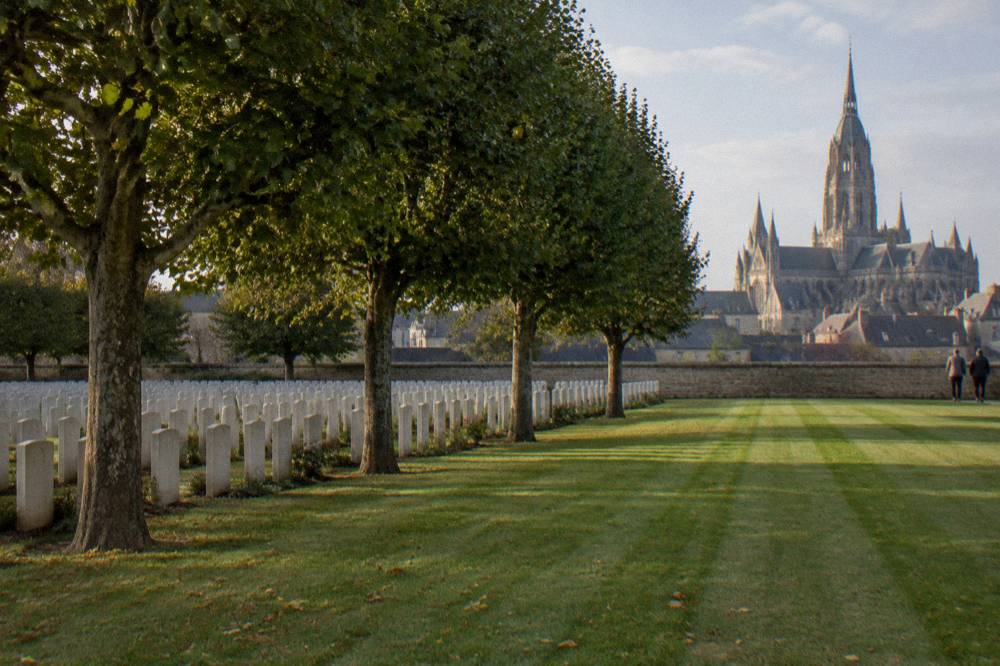
Yes, and it is the sector's most moving stop. Bény-sur-Mer is the Canadian war cemetery, a short drive from Juno Beach, where Canadian soldiers killed in the landing and the Normandy campaign are buried, and it appears as a listed guided stop on the 4-hour Gold Beach to Caen tour. It is a Commonwealth War Graves site, with rows of stone headstones and the register buildings typical of CWGC gardens.
The contrast between the two cemeteries is immediate and striking: the American cemetery is vast and formal, while the Commonwealth sites feel smaller and more intimate. Photography for personal remembrance is welcome at both, but the same rules of quiet conduct apply, and both are places of burial first and attractions second.
The practical way to include Bény-sur-Mer without a car is the Caen-based van tour that lists it by name. Driving it yourself is also simple, since the cemetery sits inland at Reviers, south of Courseulles, and parking at CWGC cemeteries is generally free. Whichever way you go, plan the sector west to east or east to west rather than bouncing, and leave the last hour of the day for the beach itself: at Juno, unlike nearly everywhere else on this coast, the sand is the monument.
If the wider picture is what you are after, the homepage of Normandy D-Day Tour compares every sector and departure city side by side.
Common Questions About The Juno Beach Sector
How much does the Juno Beach Centre cost?
The adult museum ticket is 9 euros, with a reduced rate of 7 euros and a low-carbon rate of 6 euros for visitors arriving by bike or on foot. The museum plus bunkers guided add-on is offered from April to October at a 13.50 euro adult tier.
Can you visit Juno Beach from Paris in one day?
Yes. The small-group Canadian Juno Beach day runs 13 hours from a meeting point on Avenue des Ternes in Paris, from $270 per person in a minibus of up to 8, with entrance fees and food listed as included. Free cancellation is listed on the tour.
Is the Juno Beach Centre open in winter?
Partly. It runs 10 a.m. to 5 p.m. in February, November and December, but it is closed for the whole of January and on 25 December. Ticket sales end 45 minutes before closing in every season.
Which cemetery belongs to the Canadian sector?
Bény-sur-Mer Canadian War Cemetery, a Commonwealth War Graves site a short drive from Courseulles-sur-Mer. It appears as a listed guided stop on the 4-hour Gold Beach to Caen van tour from the Caen Memorial.
Can you tour Juno and Gold Beach by bicycle?
Yes. A 4-hour guided bike tour from Courseulles-sur-Mer, from $247 per person, links the Juno Beach Centre, the Arromanches 360 circular cinema, the Mulberry port remains and the British Normandy Memorial, with bicycle, helmet, a snack and a drink included. The listing is new and carries no reviews yet.
How far is Juno Beach from Caen?
Roughly 20 minutes by road northwest of Caen. Trains from Paris Saint-Lazare reach Caen in about 2 hours with roughly 19 departures a day and similar fares, and two of the sector's guided tours depart from the Caen Memorial esplanade.