Is It Worth Visiting D-Day Beaches?
A straight verdict on the D-Day beaches: what you actually see, what it costs, who should skip it, and which tours are worth the money.
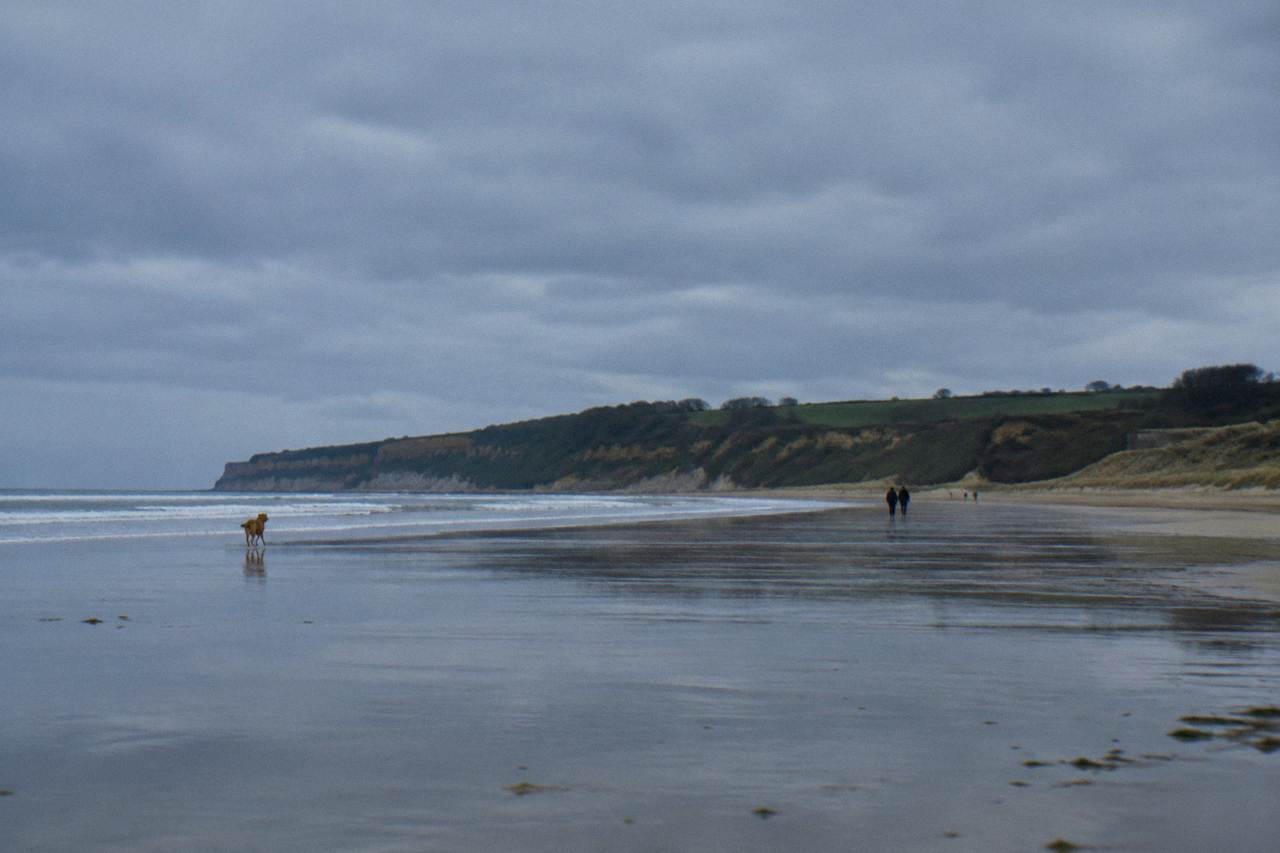
The five landing beaches of 6 June 1944, Utah, Omaha, Gold, Juno and Sword, stretch along some 50 miles of Norman coast, and today they are ordinary seaside towns with an extraordinary layer underneath: German batteries you can walk through, museums built on the sand where the landings happened, and cemeteries that hold row after row of white markers. About 160,000 Allied troops came ashore here on the first day, including about 73,000 Americans, and the sites that remember them draw roughly 1.8 million visitors a year to the corridor between Bayeux and the Cotentin peninsula.
That scale is exactly why the question deserves a real answer rather than a reflexive yes. A visit means either a very long day from Paris or a night or two in Normandy, museum tickets, and hours of driving between dispersed sites. Done well, many travelers rank it among the most affecting days of their trip to France. Done badly, rushed and under-planned, it can blur into a series of parking lots. The verdict below weighs what you actually get against what it takes.
Yes For Most Travelers, But Not Everyone
Yes, for most travelers with any interest at all in the history, because the sites are physical and free-standing rather than staged: you stand on open sand, walk inside real bunker complexes, and read names carved in stone at the American Cemetery, which charges nothing for admission. The main exceptions are visitors with no curiosity about the war and anyone unwilling to spend at least a full day.
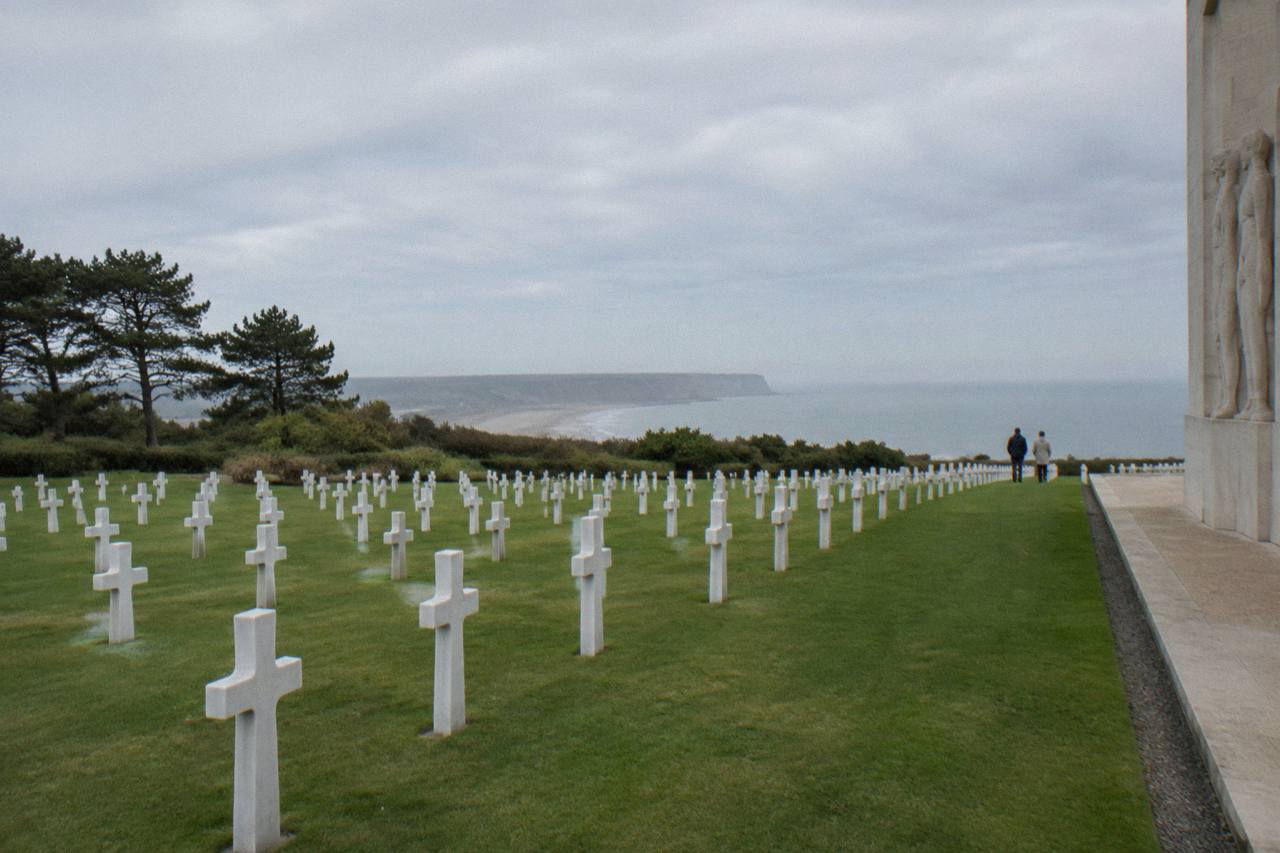
The strongest case for going is that nothing about the beaches is reconstructed for tourists. Pointe du Hoc is a cliff-top field of craters and shattered concrete that the American Battle Monuments Commission keeps much as it lay after the battle. Omaha Beach is still a public beach where families swim in summer, with the Normandy American Cemetery sitting on the bluff above it. Utah Beach has its landing museum built against the original dune line. These places do the work themselves, and guides add context rather than substitute for substance.
The strongest case against is logistics. From Paris, a guided day trip runs about 14 hours door to door. On your own, you need a train of roughly two and a quarter hours each way to Bayeux plus a car or local tours once there. Travelers who try to compress the visit into a half-day from Paris, or who arrive without any plan for moving between sites, consistently report the weakest experiences. The coast rewards commitment.
For most people the decision comes down to format: the long day trip from Paris with everything organized, the small-group full day based in Bayeux, or a private tour for those who want to set the pace. The selection below shows a strong option for the Paris and Bayeux styles.
What Do You Actually See At The Beaches Today?
You see working coastal landscapes layered with intact hardware: the cratered clifftop and bunkers of Pointe du Hoc, the gun emplacements and remains of the artificial harbor at Arromanches, the museums at Utah Beach, Omaha and Juno built on the landing grounds, and two major war cemeteries, American at Colleville-sur-Mer and Canadian at Bény-sur-Mer. None of the beaches charges admission; the museums do, at roughly 8.50 to 12.90 euros for adults.
Start with the geography, because it shapes everything. Utah and Omaha form the American sector at the western end, with Sainte-Mère-Église and its Airborne Museum inland behind Utah. Gold, Juno and Sword run east toward Caen in the British and Canadian sectors. No single viewpoint covers them all, which is why nearly every visit, guided or not, is really a route between six or eight stops.
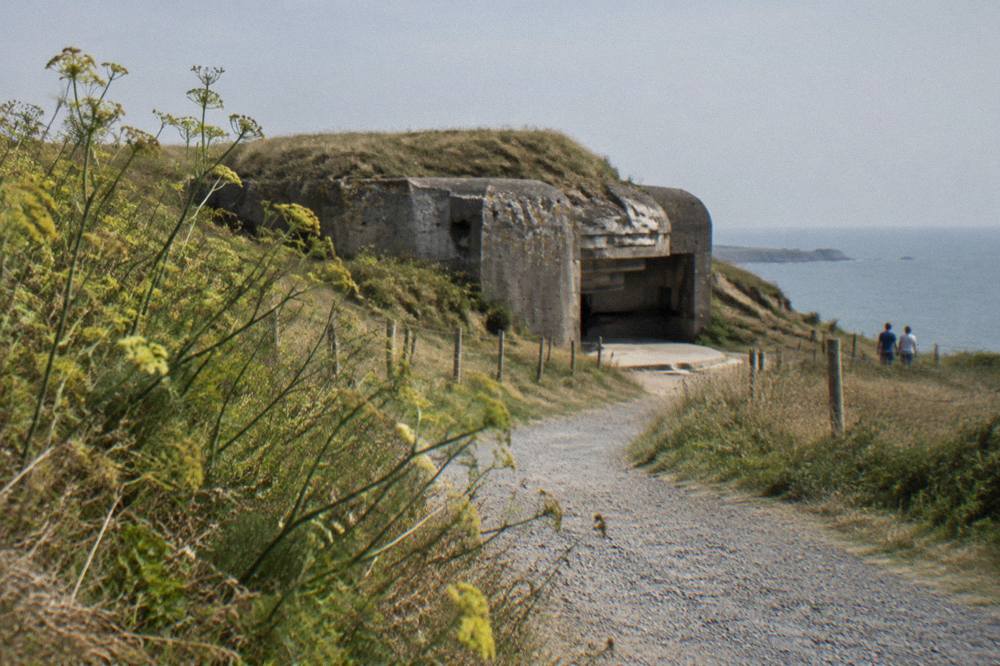
Pointe du Hoc is the most dramatic stop and costs nothing to enter. The site is in the middle of a major restoration project addressing erosion and visitor safety, running into 2027, and the visitor center has been closed since early in the year, with east-side paths, some bunkers and the crater bridge closed at times and access limited to the west path in some periods. Temporary welcome facilities are in place, and the ABMC restoration project page sets out what is open. Even with parts fenced, the cratered ground between the bunkers carries the visit.
The museums are what turn scenery into understanding, and they are unusually good. The Utah Beach Museum, open daily with adult tickets at 10 euros, sits at the spot where the American landings came ashore. The Airborne Museum in Sainte-Mère-Église, adult 11.50 euros, tells the paratrooper story that opens the whole D-Day narrative. In the Canadian sector, the Juno Beach Centre, adult 9 euros, offers a bunkers guided tour add-on from April to October. The Juno Beach Centre's own visit page lists current hours and the add-on.
| Site | What it is | Admission | Notes |
|---|---|---|---|
| Normandy American Cemetery | American war graves and the Walls of the Missing above Omaha Beach | Free | Open daily 09:00 to 17:00, closed 25 Dec and 1 Jan |
| Pointe du Hoc | Cliff-top battery, craters and Ranger monument | Free | Restoration into 2027; visitor center closed; some paths shut at times |
| Utah Beach Museum | Landing museum on the dune line | Adult 10 euros | Closed 16 Nov to 14 Dec |
| Airborne Museum | Paratrooper museum, Sainte-Mère-Église | Adult 11.50 euros | Closed December and January outside school holidays |
| Juno Beach Centre | Canadian museum at Courseulles-sur-Mer | Adult 9 euros | Closed all of January |
| Arromanches Musée du Débarquement | Artificial harbor remains and museum | Adult 12.90 euros | Shorter hours in winter months |
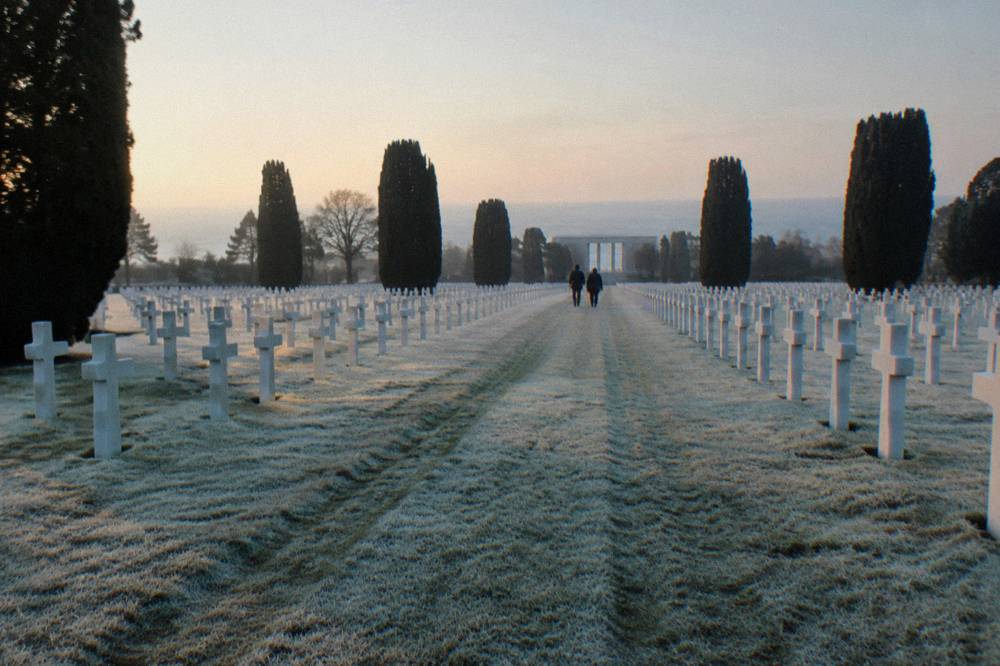
The cemetery deserves its own paragraph, because it is the moment most visitors remember. Admission is free, the grounds are open daily from 09:00 to 17:00 with last admission at 16:30, and the rules ask for respectful dress and conduct: no sitting or lying on the grass or monuments, no running, bicycles or games, no real or replica weapons, and service and guide dogs only. The walking path from the cemetery down to Omaha Beach has been closed since 2016, so beach access means the public beach at Saint-Laurent-sur-Mer instead. The ABMC's Normandy cemetery page carries the current access details, and it is worth checking before you go since capacity pre-registration may apply.
If a full day from Paris fits your plans, the featured day trip is the place to start comparing: it is the most reviewed tour listed here, rated 4.8 across 10,452 reviews, from $124 per person, and it includes a two-course lunch with cider, entry to the Utah Beach Museum, guided time at Pointe du Hoc and free time at Omaha Beach across 14 hours.
Still deciding between a day trip and an overnight? The choice matters enough that it has its own write-up in how many days you need in Normandy.
Who Should Skip The D-Day Beaches?
Skip the beaches if the war history means nothing to you, if your trip cannot spare a full day, or if long coach rides are genuinely miserable for you: a Paris day trip means roughly 14 hours with about five of them on the road, and no format makes that shorter. Travelers with mobility limits should also check each tour carefully, since the sites involve sand, gravel paths and clifftop terrain.
The first group is the obvious one. Someone with no curiosity about 6 June 1944 will find a day of bunkers, museums and cemeteries long and repetitive, and the coast offers other rewards, from medieval Bayeux to the food towns of the Calvados countryside, that would serve them better. There is no shame in that preference; it simply means the beaches are not your stop.
The second group is subtler: people who want the visit but cannot give it the time. A traveler with one free morning in Paris cannot do this well. The train alone is over two hours each way, and arriving in Bayeux at midday leaves time for one museum and little else. If a half day is truly all you have, the Bayeux half-day tours, from $106 per person for a five-hour minibus trip covering Omaha Beach, Pointe du Hoc and the American Cemetery, are the practical floor, and they work best with a night in Bayeux before or after rather than a same-day dash from Paris.
The third group is families with very young children. Teenagers generally engage with the sites, especially with a good guide, but toddlers on a 14-hour coach day is a recipe everyone regrets. A shorter private format solves this if the visit matters to the adults; the private options from Bayeux run eight hours from $394 per person with hotel pickup in the town included, which lets a family set its own pace and shorten the day.
One more exception: visitors who expect spectacle. There is no sound-and-light show on the sand, no recreation of the landings, and the beaches themselves are quiet. What you get is authenticity, and if that is not what you are shopping for, spend the day elsewhere. For everyone else, the question is not whether but how.
How Much Does A Visit Cost In Time And Money?
Shared day trips from Paris cost from $124 to about $326 per person depending on group size and inclusions, while private ones cost far more. A full-day small-group tour from Bayeux runs from $160 to $213 per person, and private tours from Bayeux start at $394 per person or from $790 per group. Add 8.50 to 20.80 euros per adult per museum if you visit independently, and roughly two and a quarter hours each way by train from Paris.
The cheapest real options are the Bayeux half-day minibus tours, from $106 per person for five hours, and the most expensive are the private full days, up to $1,460 per group for a 10-hour van tour from Caen or Bayeux with pickup at your accommodation. In between sit the formats most travelers choose. The table below compares the main styles on price, hours and what the price includes.
| Format | Example tour | Price | Duration | Includes |
|---|---|---|---|---|
| Paris coach day trip | Normandy D-Day Sites & Cemetery Day Trip from Paris with Lunch | From $124 per person | 14 hours | 2-course lunch with cider, Utah Beach Museum entry, guided Pointe du Hoc visit |
| Paris small-group minibus | From Paris: Normandy D-Day Landing Beaches Full-Day Tour | From $298 per person | 12 hours | Overlord Museum entry, lunch extra, max 8 travelers |
| Bayeux small-group full day | Normandy American D-Day Beaches Full Day Tour from Bayeux | From $160 per person | 9 hours | Meets at Place du Quebec in central Bayeux, minivan, max 8 travelers |
| Bayeux half-day minibus | Normandy Beaches Half-Day Afternoon Trip from Bayeux | From $106 per person | 5 hours | Selected Bayeux hotel pickup, Omaha Beach, Pointe du Hoc, cemetery |
| Bayeux private full day | Private D-Day Experience from Bayeux | From $394 per person | 8 hours | Private minivan, hotel pickup, professional guide, up to 7 |
| Cruise-port excursion | Normandy UNESCO D-Day Beaches Tour & Packed Lunch from Le Havre | From $102 per person | 10 hours | Port pickup and drop-off, homemade packed lunch, guided coach |
Two patterns in those numbers are worth naming. First, basing yourself in Bayeux cuts hours on the road dramatically, which is why the Caen or Bayeux question matters more than most first-time visitors expect. Second, the Paris price ladder mostly buys intimacy: the 50-seat coach at from $124 and the 8-seat minibus at from $298 visit much the same ground, and the difference is group size, pace and how much you hear at each stop.
Independent travel is the budget path if you have time. Train fares from about 17 to 90 euros each way from Paris Saint-Lazare to Bayeux, a rental car or the local tour network once there, and museum tickets at 8.50 to 12.90 euros each can undercut every guided option across two days. The trade is planning load: you navigate, you time the cemetery hours, you decide whether Pointe du Hoc's partial access still works for you on the day. Some travelers love exactly that; others find the history lands harder with someone explaining it, a tradeoff explored in visiting the beaches without a tour.
What Is Open And What Is Closed At The Key Sites?
The beaches themselves are open year-round and free. Pointe du Hoc remains free to enter but is mid-restoration into 2027, with its visitor center closed and east-side paths, bunkers and the crater bridge shut at times, sometimes leaving only the west path. The American Cemetery is open daily 09:00 to 17:00, and the Longues-sur-Mer observation post is closed to visitors for now because of cliff-collapse risk.
This is the practical layer that decides whether a visit feels complete or truncated, and it changes often enough that a printed guide goes stale fast. The restoration at Pointe du Hoc is the big one: the project tackles erosion, visitor safety and infrastructure across the whole clifftop site, temporary welcome and restroom facilities are in place, and parking is rerouted at times. Public access is maintained where possible, but the ABMC's pages are the authority on what is open on any given day, and tour operators generally note when a stop adapts.
Museum seasons matter for winter visitors. The Utah Beach Museum closes from 16 November to 14 December. The Airborne Museum closes through December and January outside the Christmas school holidays. The Juno Beach Centre closes for all of January, and the Caen Memorial, at 20.80 euros the priciest ticket on the coast, shuts on several November and December dates. The Overlord Museum near the American Cemetery reopens in mid-February after its winter closure. If your trip falls between November and March, build the itinerary around the beaches, the cemetery and Pointe du Hoc, all of which keep going, and treat the museums as a bonus to confirm.
June brings its own conditions. The anniversary period around 6 June fills Bayeux and Caen accommodation months ahead, and the local authorities impose road closures and restricted zones along the N13 corridor and the coastal towns for the ceremonies, which included more than 120 events across the region in the 2026 anniversary week. The atmosphere that week is extraordinary, with paratroop commemorations at Sainte-Mère-Église and dawn homages on the sand, but it is not a quiet sightseeing window. The best time to visit guide breaks the seasons down month by month.
Guided Tour Or Independent Visit: Which Delivers More?
A guided tour delivers more per hour for first-time visitors, because the sites are dispersed, the stories are specific, and a guide turns empty ground into narrative; independent travel delivers more for repeat visitors, slow travelers and tight budgets, because the beaches and cemeteries are free and the museums carry the story well. Group sizes run from coaches of 50 to vans of 7, and the price gap tracks that intimacy.
The case for the guide is arithmetic as much as storytelling. Pointe du Hoc, the cemetery, Omaha, Utah and Sainte-Mère-Église are spread across an hour of driving, and parking, timing and navigation eat a whole day from an independent visitor who does not know the roads. The American Cemetery full-day tour from Bayeux, rated 4.9 from 2,637 reviews and from $160 per person, meets at Place du Quebec in central Bayeux and moves a maximum of eight travelers through that cluster in nine hours, which is a pace most self-drivers struggle to match on a first visit.
The private formats push the same advantage further. The Private D-Day Experience from Bayeux, rated 5.0 from 638 reviews, runs eight hours from $394 per person for up to seven, with centrally located Bayeux hotel pickup, and its stop list reaches the airborne sites at Angoville-au-Plain that shared tours often skip. For travelers tracing a family soldier or a particular unit, a private guide who can adapt the route is not a luxury but the point of the day, an angle the private versus small-group comparison covers in detail.
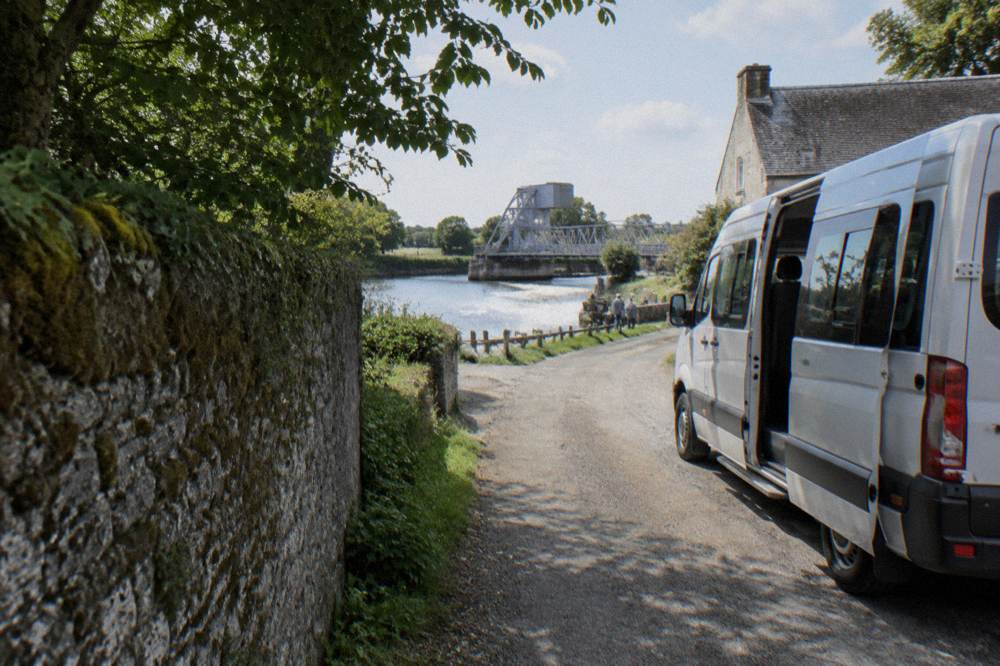
The independent case rests on freedom and cost. The beaches cost nothing, the cemetery costs nothing, Pointe du Hoc costs nothing, and a car plus three museum tickets runs well under any guided day for two people traveling together. Repeat visitors often prefer their own pace: an hour at the cemetery, a long lunch in Port-en-Bessin, a slow afternoon at Arromanches watching the harbor remains appear at low tide. The first visit, though, is where a guide earns the fare, and the format you pick should follow from how much the history already means to you.
Whatever you choose, book the anniversary week early, confirm Pointe du Hoc access before you drive out, and give the coast a full day at minimum. Whether the Paris coach, the Bayeux minivan or your own steering wheel gets you there, the verdict holds: the beaches are worth it.
For a broader look at how a full itinerary strings these stops together, the D-Day beaches tour itinerary guide lays out day-by-day options, and the tour picker on Normandy D-Day Tour matches formats to trip length.
Common Questions About Visiting D-Day Beaches
Can you visit the D-Day beaches for free?
Yes. All five landing beaches are public, the Normandy American Cemetery is free, and Pointe du Hoc is free to enter. The museums charge admission, from 8.50 euros at the Bayeux Museum of the Battle of Normandy to 20.80 euros at the Caen Memorial.
How many days do the D-Day beaches need?
One full day covers the American sector highlights: Omaha Beach, Pointe du Hoc, the American Cemetery and either Utah Beach or Sainte-Mère-Église. Two days let you add the airborne sites, the British and Canadian sectors, and more than one museum at a humane pace.
Is a day trip from Paris realistic?
Yes, but it is a long one. The guided day trips run about 14 hours, with the featured Paris tour covering Utah Beach, Pointe du Hoc, Omaha Beach and the cemetery, from $124 per person with lunch and Utah Beach Museum entry included. An overnight in Bayeux makes the visit far more comfortable.
Are the D-Day beaches suitable for children?
The beaches themselves are normal seaside, and teenagers generally engage with the museums and guides well. Check each tour for age policies, since they vary by operator, and note that a 14-hour coach day is hard on young children. Private tours from Bayeux let families set a shorter pace.